
5 Foods to Fortify in Aged Care
Malnutrition remains one of the most significant yet often under-recognised challenges facing residential aged care. Research suggests that up to 50% of older Australians living in aged care may be malnourished or at risk of malnutrition, highlighting the critical importance of providing meals that do more than simply satisfy hunger.
For aged care providers, improving nutrition isn't just about meeting standards, it's about supporting strength, independence, recovery and overall quality of life.
One of the most practical and effective ways to improve nutritional intake is through food fortification.
Rather than serving larger meals which many residents simply cannot finish, fortification focuses on increasing the nutritional value of the foods they're already eating. Every spoonful, every bite and every sip delivers more energy and protein without increasing portion sizes or changing familiar menu favourites.
Why Fortification Matters
As we age, maintaining adequate nutrition becomes increasingly challenging. Reduced appetite, medical conditions, medication, swallowing difficulties and changes in taste can all contribute to residents eating less than their bodies require.
That's why every meal becomes an important opportunity to deliver essential nutrition.
Protein is one of the most important nutrients for older adults. It helps maintain muscle mass, supports immune function, promotes wound healing and assists the body in recovering from illness or surgery.
Without enough protein, the body's ability to repair, recover and defend itself becomes compromised, increasing the risk of infection, frailty and hospitalisation.
The effects of malnutrition extend well beyond weight loss. It can contribute to:
Reduced muscle strength
Increased falls risk
Slower wound healing
Higher hospital admissions
Reduced quality of life
Many aged care residents experience reduced appetite, early satiety or unintentional weight loss. Simply serving larger meals isn't always the answer, as often those meals are left unfinished.
Food fortification allows kitchens to increase energy and protein in smaller volumes, helping residents receive more nutrition from the meals they are already comfortable eating.
Fortification Doesn't Have to Be Complicated
Many people assume fortification requires specialised products or expensive supplements. In reality, some of the most effective fortification techniques use everyday ingredients that chefs are already working with.
Small adjustments to recipes—such as enriching mashed potato with cream and butter or adding skim milk powder to soups, sauces and desserts—can make a significant nutritional difference without changing the resident's dining experience.
At Contemporary Catering, food fortification is embedded into our menu development and recipe design, ensuring meals remain enjoyable while helping residents receive the nutrition they need.
5 Foods to Fortify for Better Nutrition
1. Milk



Many residents enjoy multiple cups of tea throughout the day but may struggle to consume large meals. By using fortified milk, every cup becomes an easy opportunity to increase nutritional intake, without disrupting familiar routines or food preferences.
How to fortify milk:
Add skim milk powder to full cream milk
Stir or whisk until smooth and the milk powder has dissolved.
Where to use it:
Tea, coffee, milo, hot chocolate
Porridge and cereals
Milkshakes and smoothies
Custard and yoghurt
Meals (soups, mash, sauces)
✅ Increases protein and energy without increasing volume
✅ Ideal for residents with small appetites
2. Mashed Potato and Soft Carbohydrates


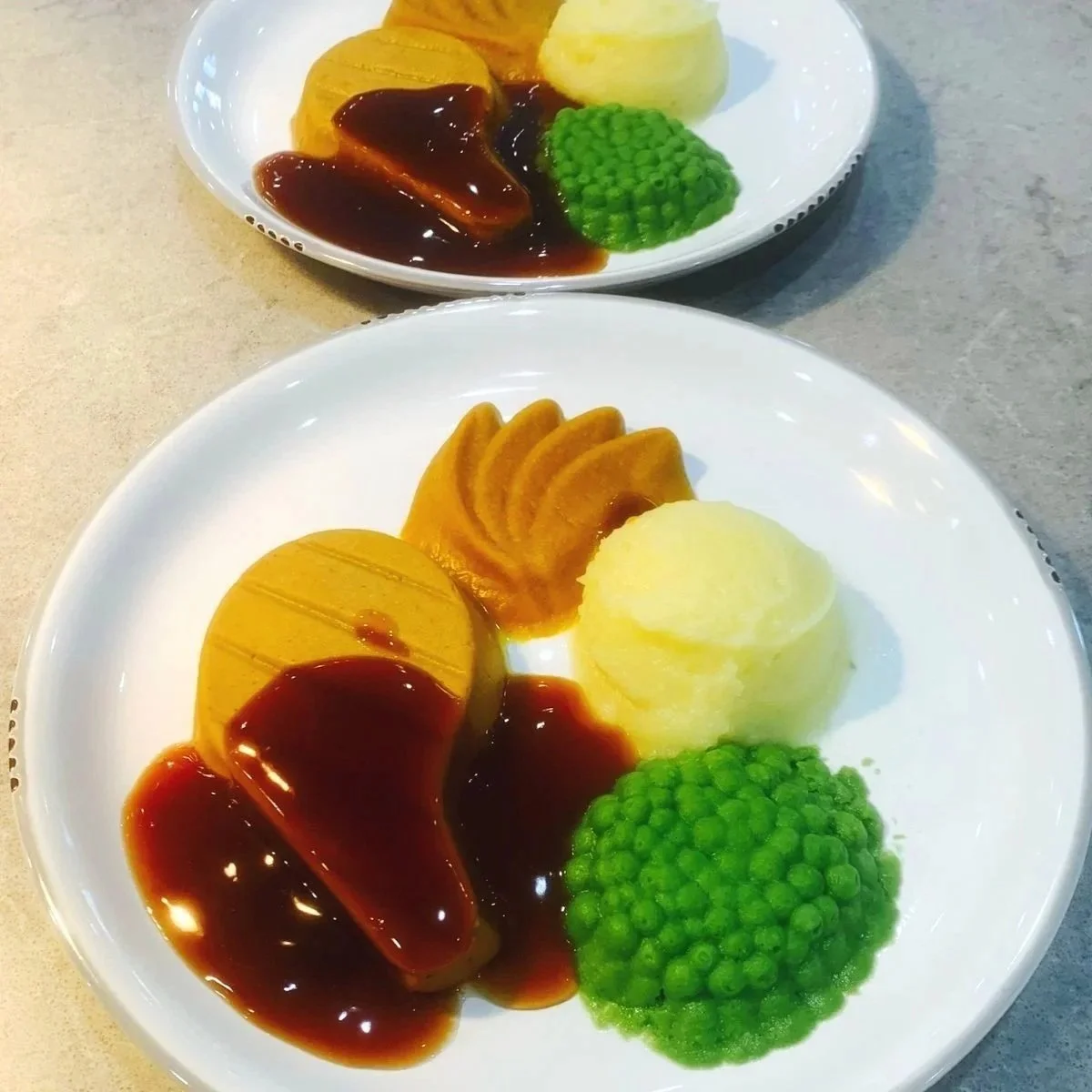
Soft, comforting foods like mashed potato, pumpkin, rice, and pasta are staples in aged care, and are perfect for fortification.
How to fortify:
Add butter or margarine
Use cream or fortified milk
Stir through grated cheese
✅ Improves energy and protein intake
✅ Enhances flavour
✅ Supports better overall intake
3. Soups


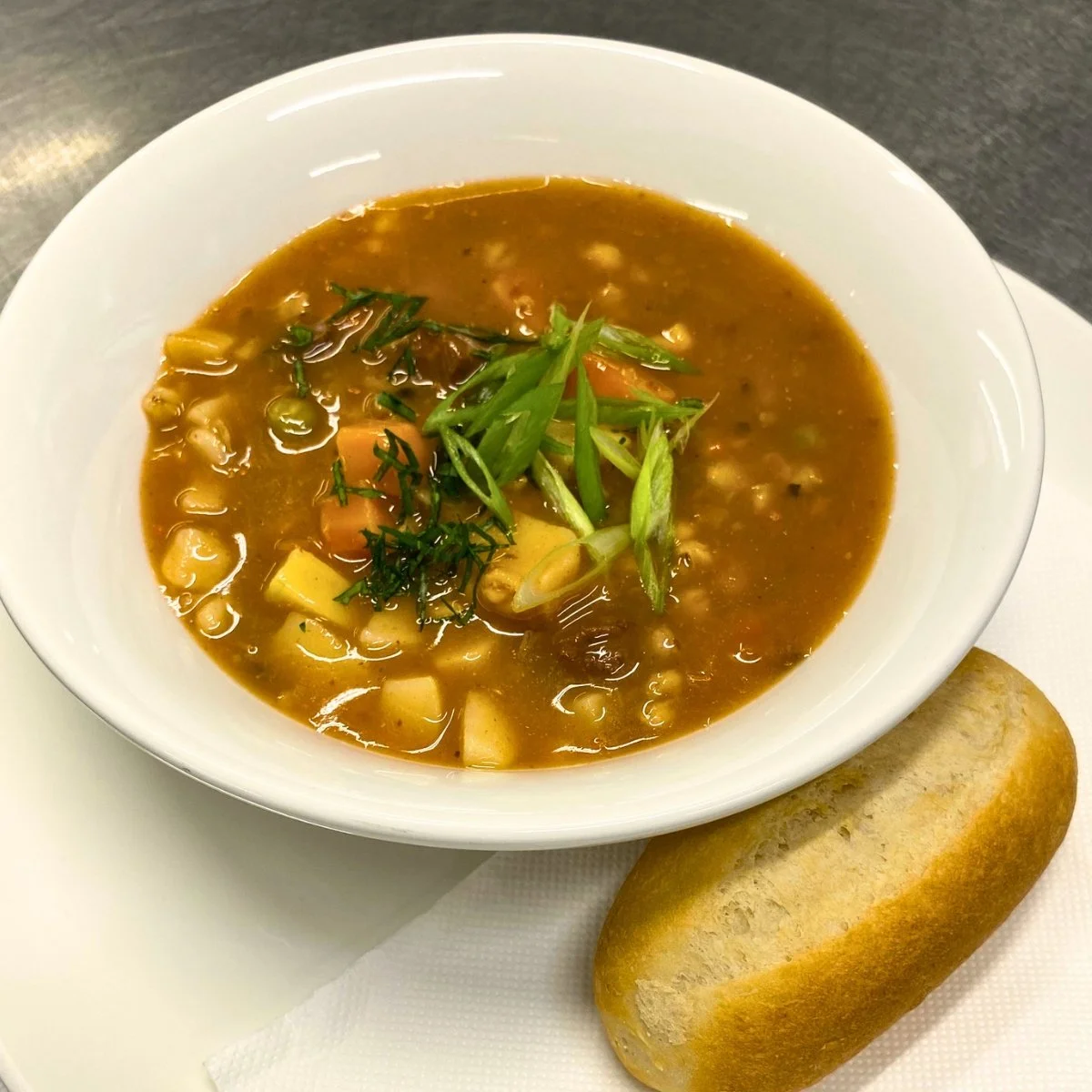
Soup is an excellent opportunity to increase energy and protein intake without significantly changing the resident's dining experience. Soups can easily be fortified using everyday ingredients while remaining familiar, comforting and easy to enjoy.
How to fortify soups:
Add cream or coconut cream
Use fortified milk or skim milk powder
Stir in grated cheese
Increase protein with meat, legumes, lentils or beans
Soups can also be prepared to meet a range of texture requirements, making them suitable for residents requiring texture-modified diets.
Quick tip:
Serve smaller portions to avoid residents filling up before their main meal.
✅ Nutrient dense and easy to consume
✅ Flexible for all diet textures
4. Breakfast Foods
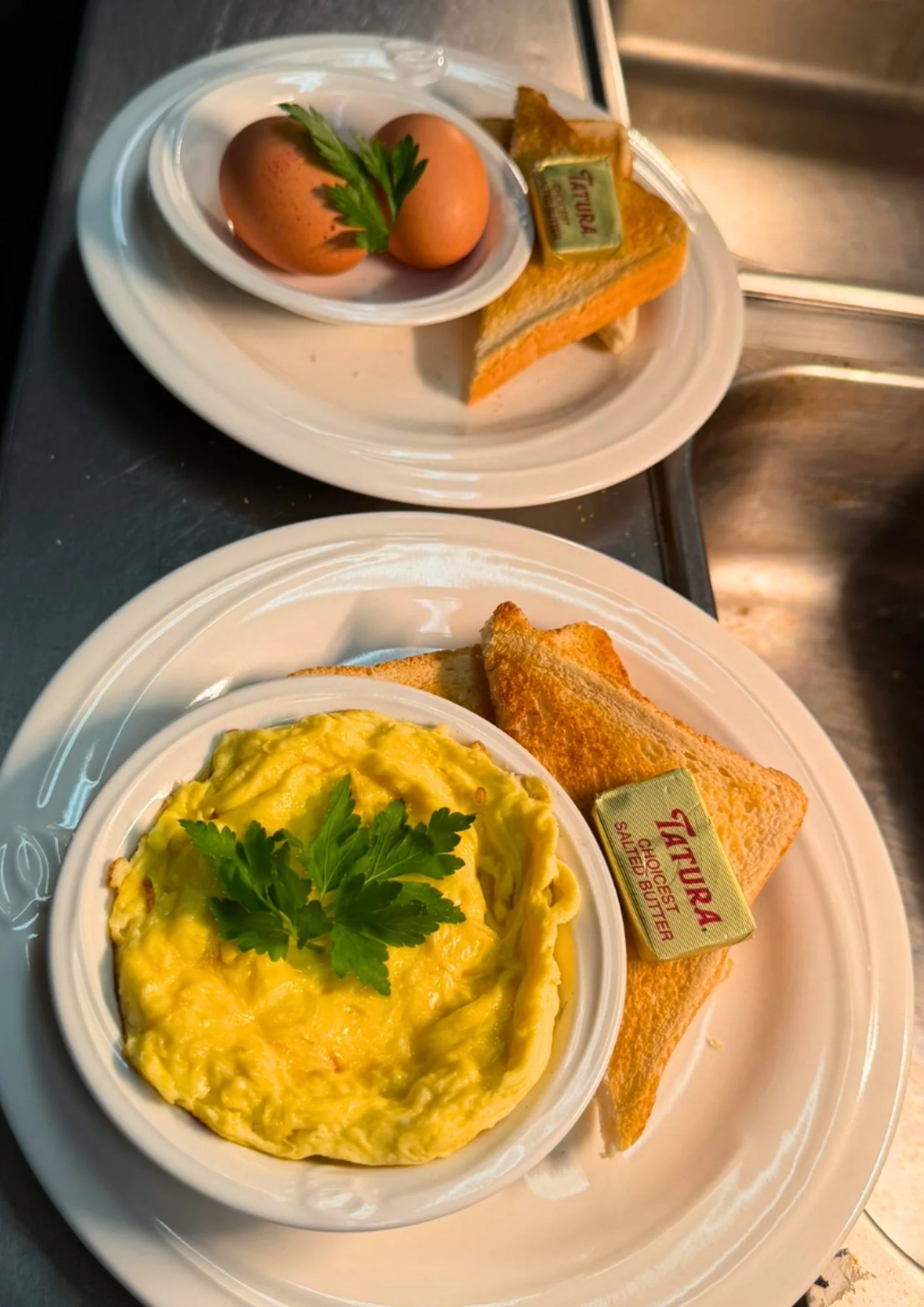
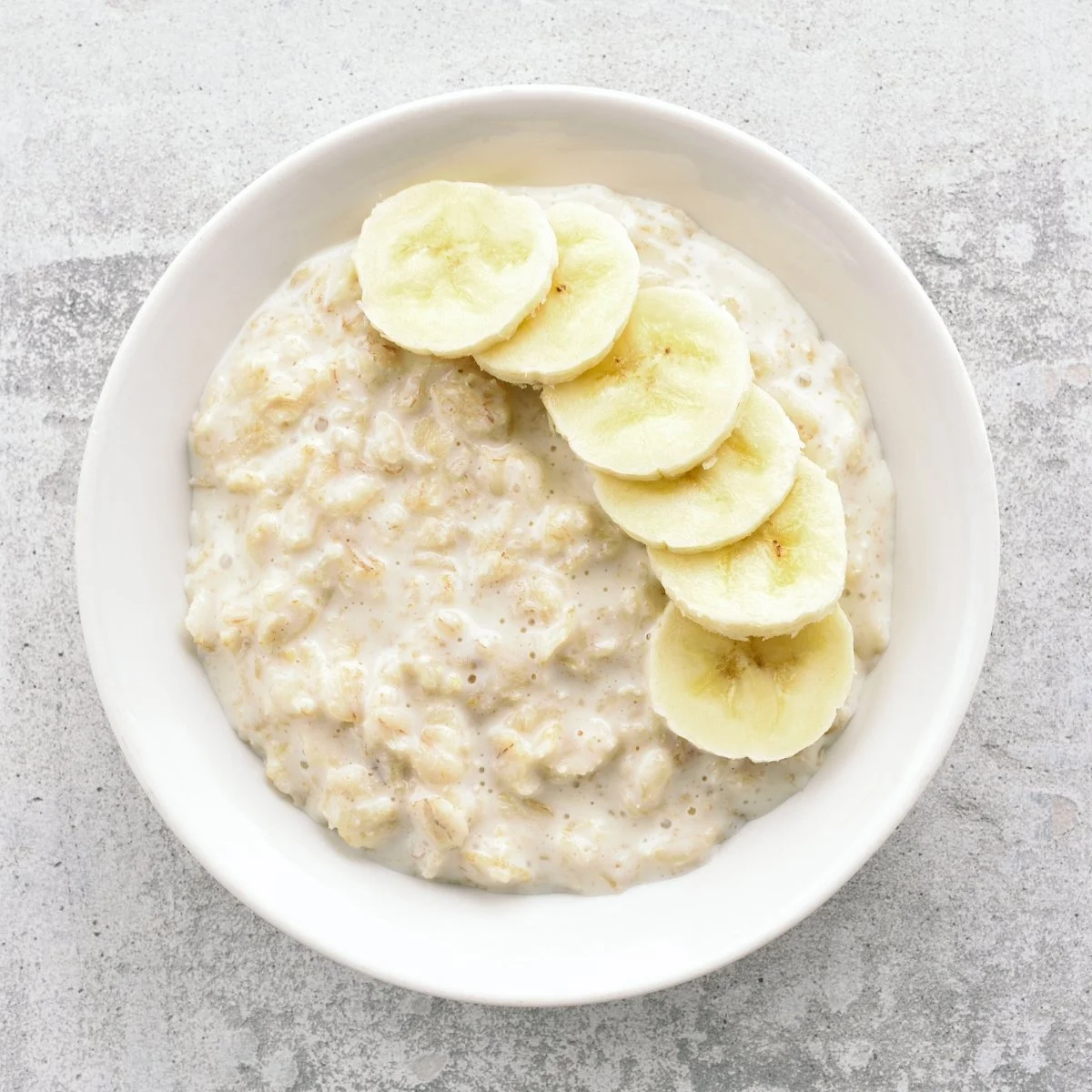

Breakfast is often one of the most consistent meals of the day, making it an ideal opportunity to boost nutrition. Whether residents enjoy a hot breakfast such as scrambled eggs or a lighter option like porridge, cereal or toast, there are plenty of simple ways to increase energy and protein using everyday ingredients.
How to fortify:
Make porridge with fortified milk
Add cream, butter or skim milk powder
Top cereals with yoghurt or fortified milk
Spread toast generously with butter, peanut butter or cheese
Prepare scrambled eggs with fortified milk, cream and cheese for an extra protein boost
✅ An easy way to increase energy and protein at the start of the day
✅ Supports consistent nutritional intake through established breakfast routines
5. Desserts and Snacks



Desserts and snacks are often well accepted, even when appetite is poor making them ideal for “hidden” nutrition.
How to fortify:
Add cream, custard or yoghurt
Use fortified milk in puddings
Include high protein options like dairy based desserts
Offer nourishing snacks like cheese and crackers
✅ Encourages intake in residents with poor appetite
✅ Adds extra energy between meals
Consistency is Key
Food fortification is simple in principle, but to be truly effective it must be applied consistently across every meal, every shift and every member of the kitchen team.
Consistency comes from having standardised recipes, clear procedures and kitchen teams that understand not just how to fortify meals, but why it's so important. When staff are confident in the process, food fortification becomes part of everyday practice rather than an afterthought.
Small Changes Can Make a Big Difference
Food fortification isn't about serving mor, it's about making every meal work harder.
By making small, practical adjustments to everyday recipes, aged care providers can:
Support better nutrition
Help reduce the risk of malnutrition
Maintain muscle strength and support recovery
Enhance residents' overall health and quality of life
Every meal presents an opportunity to make a positive impact. By embedding food fortification into everyday kitchen practices, providers can help ensure residents receive the nutrition they need to live healthier, stronger and more enjoyable lives.